Sim racing has grown into one of the most immersive forms of digital motorsport. But getting started can feel overwhelming when you see the range of equipment available. This guide explains the essential gear beginners need, helping you build a reliable setup that delivers realism, control, and a rewarding racing experience.
Introduction
Sim racing has transformed from a niche hobby into a global digital motorsport phenomenon. High-fidelity driving simulations allow enthusiasts to experience the thrill of competitive racing from home. However, the experience depends heavily on the quality of sim racing hardware, which determines how accurately your inputs translate into on-screen vehicle behaviour.
Unlike traditional video games, sim racing focuses on realism. Steering precision, braking pressure, and vehicle control are all influenced by the equipment used. Choosing the right setup at the beginning makes learning easier, improves consistency, and enhances immersion.
For beginners, understanding the essential equipment helps avoid unnecessary spending while ensuring a smooth start in the hobby. The following sections explain the core components required to build a functional and enjoyable sim racing setup.
A Reliable Gaming Platform
Before investing in racing peripherals, you need a platform capable of running simulation software smoothly. This typically means either a gaming PC or a modern gaming console.
A capable platform ensures stable frame rates and responsive controls. Smooth performance is particularly important in racing simulations because split-second reactions influence lap times and vehicle control.
Key considerations when choosing a platform include:
- Processing power to run physics-heavy simulation software
- Graphics capability for detailed tracks and environments
- Stable connectivity for online racing and competitive events
Many popular simulation titles are available across multiple platforms, allowing beginners to start with the system they already own.
Steering Wheel and Wheel Base
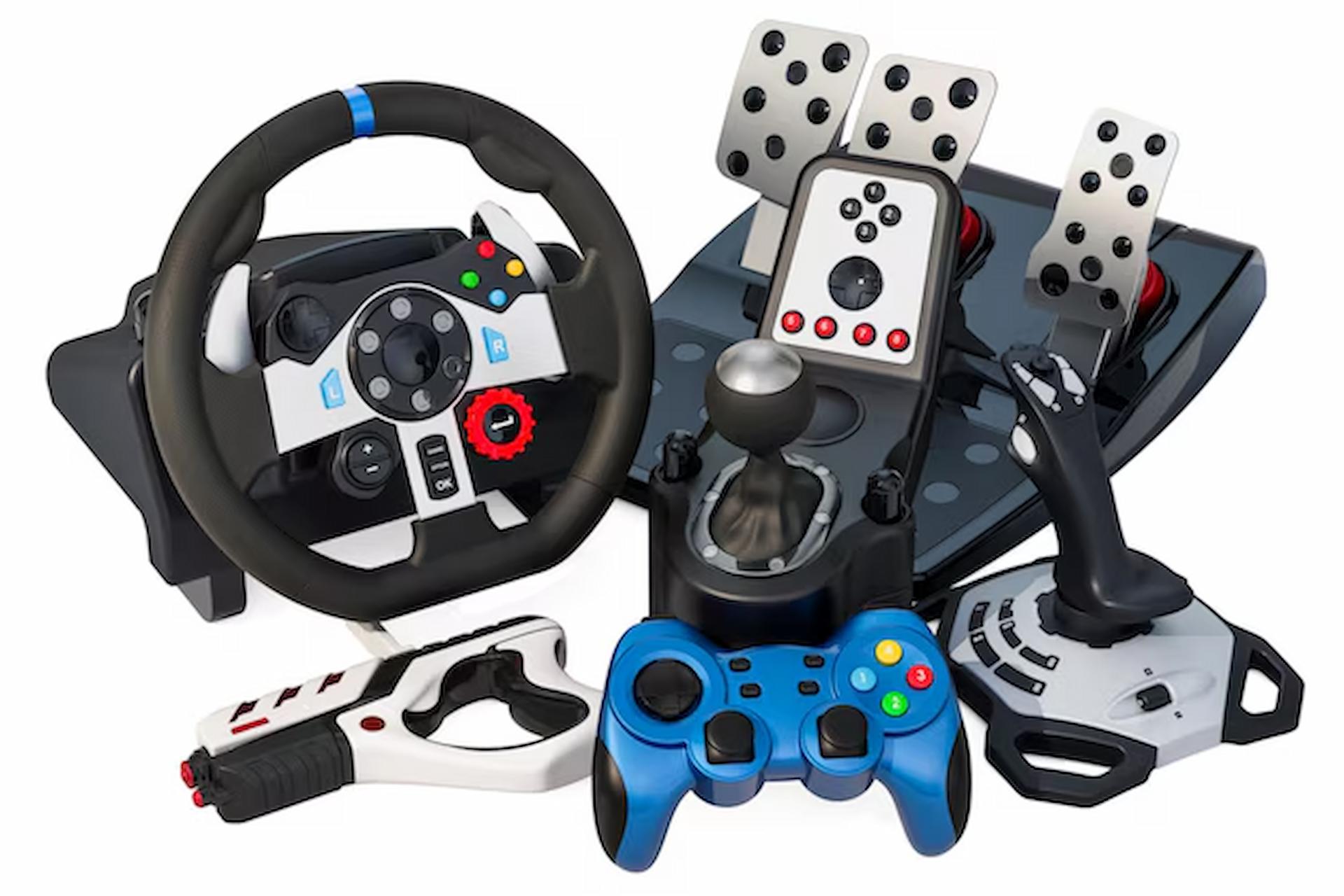
The steering wheel is the centrepiece of any sim racing setup. It replaces the standard game controller and allows drivers to steer the virtual car using realistic wheel movements.
Most sim racing wheels connect to a wheel base, which contains a motor that generates force feedback. Force feedback is a system that recreates steering resistance, vibrations, and road texture so drivers can feel what the car is doing.
This tactile feedback improves control and helps drivers react to situations such as tyre grip loss or sudden directional changes.
A good steering wheel setup offers:
- Accurate steering rotation
- Responsive force feedback
- Comfortable grip for long sessions
Quality steering systems dramatically improve the sense of realism and help beginners develop better driving techniques.
Pedals for Throttle and Braking Control
Pedals are another essential part of a sim racing setup. A typical pedal set includes throttle and brake pedals, while more advanced kits add a clutch.
Pedals allow drivers to control acceleration and braking with their feet, closely mirroring real vehicle operation. The brake pedal is particularly important because many systems measure braking pressure rather than simple movement.
This allows drivers to apply precise braking force during corners and braking zones.
A good pedal set should provide:
- Smooth throttle control
- Progressive braking resistance
- Stable positioning during use
High-quality pedals help build muscle memory and encourage smoother driving inputs.
Racing Seat or Rig
Comfort and stability are crucial for long racing sessions. While beginners sometimes start at a desk, many eventually upgrade to a dedicated racing seat or cockpit rig.
A racing rig holds the wheel, pedals, and seat in a fixed position, preventing movement during intense driving. This improves control and helps maintain a consistent driving posture.
Benefits of a racing cockpit include:
- Stable mounting for steering wheel and pedals
- Improved driving ergonomics
- Better immersion during races
A stable setup becomes especially valuable when using higher-performance sim racing hardware, as stronger feedback systems can cause movement if equipment is not securely mounted.
Display Setup for Visual Awareness
The display plays a major role in how drivers perceive speed, track position, and surroundings.
Most beginners use a single monitor or television, but many enthusiasts upgrade to multi-monitor setups or ultra-wide displays for a wider field of view. A broader view allows drivers to see corners earlier and maintain better awareness of nearby vehicles.
Key display considerations include:
- Screen size and resolution
- Refresh rate for smooth visuals
- Proper positioning at eye level
Clear visuals help drivers react quickly and maintain focus throughout races.
Headphones or Audio System
Audio feedback is often overlooked, but it plays a valuable role in racing simulations. Engine sound, tyre noise, and environmental effects provide important cues during driving.
For example, tyre noise can indicate loss of grip, while engine tone helps drivers determine the correct moment to shift gears.
Using quality headphones or speakers improves situational awareness and enhances immersion.
Effective audio setups provide:
- Clear engine and tyre sounds
- Directional awareness of nearby cars
- Reduced external distractions
These auditory cues contribute significantly to the realism of the simulation.
Actionable Tips for Beginners
Starting sim racing does not require the most expensive equipment. A balanced setup focused on reliability and comfort often delivers the best results.
Helpful tips for new sim racers:
- Start with essential gear first. Focus on a wheel, pedals, and stable mounting before purchasing advanced accessories.
- Prioritise comfort and ergonomics. Proper seating and positioning improve consistency during long races.
- Ensure compatibility. Always check that equipment works with your chosen platform.
- Upgrade gradually. Begin with a basic setup and expand as your experience grows.
Following these guidelines helps beginners build a practical and enjoyable setup without unnecessary complexity.
Expanding Your Setup Over Time
Once the fundamentals are in place, many racers expand their equipment to enhance realism.
Optional upgrades may include:
- H-pattern or sequential gear shifters
- Handbrakes for rally simulations
- Motion platforms that simulate vehicle movement
- Virtual reality headsets for immersive viewing
While these additions can increase immersion, they are not required when starting out.
The most important factor is mastering the basics and becoming comfortable with your initial sim racing hardware setup.
Conclusion
Getting started in sim racing does not require a complex or expensive setup. A reliable platform, steering wheel, pedals, stable seating, and a clear display provide everything needed to begin learning the fundamentals of digital motorsport.
Each component contributes to the overall experience by improving control, realism, and driver awareness. As skills develop, additional equipment can gradually enhance immersion and performance.
Most importantly, investing in quality sim racing hardware from trusted platforms such as SimRacer UK ensures long-term reliability and compatibility.
With the right equipment and a commitment to practice, newcomers can quickly discover why sim racing has become one of the most engaging and competitive experiences in modern gaming.