
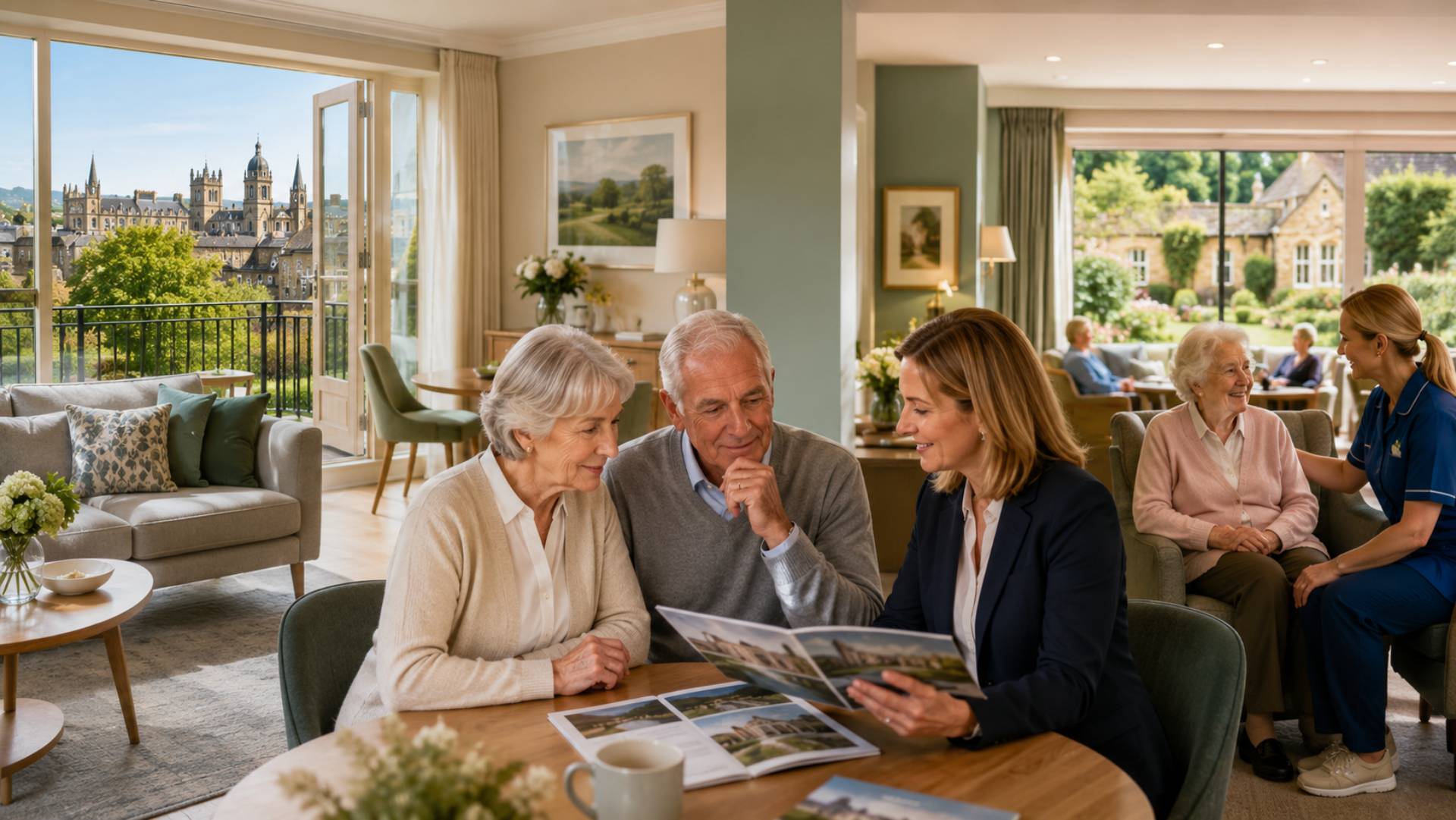
Retirement housing and residential care offer very different levels of independence and support. One provides a private home with limited shared services, while the other includes accommodation, personal care and staff assistance. Comparing present needs, future risks, costs and social preferences helps Oxfordshire families make a well-informed later-life housing decision.
Later-life housing decisions often begin when a home becomes difficult to manage or living alone starts to feel unsafe. Retirement housing can provide a smaller private property, shared facilities and emergency support while preserving independence. Residential care offers accommodation, meals, personal care and staff assistance throughout the day and night. When considering a residential care home in Abingdon, families should compare the person’s current abilities, social needs and likely future support. The best choice is not simply the most independent option. It is the setting that provides suitable safety, dignity, companionship and choice without leaving important needs unmet.
What Retirement Housing Provides
Retirement housing, sometimes called sheltered housing, usually consists of self-contained flats or bungalows available to buy or rent. Residents have their own front door and manage much of daily life themselves.
A scheme may include an emergency alarm, communal lounge, garden, social activities and a visiting or on-site manager. Services vary, so buyers and tenants should never assume that personal care or meals are included.
Retirement housing can suit someone who remains largely independent but wants a smaller home, greater security and opportunities for social contact.
What Residential Care Includes
A residential care home provides accommodation alongside personal support. Staff can help with washing, dressing, taking medicines, using the toilet and other daily tasks.
Meals, housekeeping and organised activities are normally part of life in the home. Support remains available day and night, giving residents and families reassurance when independent living has become difficult.
Residential care differs from nursing care, though some homes offer both. Confirm which care types are available and whether the home can respond if health needs increase.
Compare Independence in Practical Terms
Independence means more than living behind a private front door. It includes making choices, following preferred routines and completing tasks safely.
A retirement property gives the resident control over meals, visitors and daily schedules. Yet they may still need to arrange home care, cleaning, shopping or transport separately.
Residential care provides more direct support while residents can still make personal choices. Ask how the home protects privacy, supports hobbies and encourages people to do what they can for themselves.
Consider Safety and Changing Needs
Retirement housing may provide accessible design and emergency alarms, but staff are not always available to deliver personal care. Check exactly what happens when an alarm is activated.
A residential care home in Abingdon may be more suitable when someone needs regular help, struggles with medication or has become unsafe at home despite family visits and paid care.
Consider likely future needs as well as the present situation. A move that works today may become unsuitable if mobility, memory or health changes significantly.
Examine Social Life and Companionship
Both options can reduce isolation, but they create social contact in different ways. Retirement schemes may offer communal lounges and resident-led events, with participation left largely to the individual.
Care homes usually provide organised activities, shared dining and daily contact with staff and other residents. The quality of social life depends on whether activities reflect personal interests rather than simply filling a timetable.
Visit during an ordinary part of the day. Notice whether people appear engaged, comfortable and free to choose between company and quiet time.
Compare the Complete Costs
Retirement housing costs may include purchase price or rent, service charges, council tax, utilities, maintenance and any separately arranged care. Leasehold properties may carry administration or resale conditions.
Residential care generally charges a weekly fee covering accommodation and agreed care services. Ask what is included and which items cost extra.
Request a care needs assessment from the local council before making major financial decisions. A financial assessment may identify whether the person qualifies for help with eligible care costs.
Ask the Right Questions Before Deciding
For retirement housing, ask about emergency cover, service charges, lease terms, maintenance, accessibility and available home-care providers.
For residential care, review the latest Care Quality Commission report. Ask about staffing, care planning, meals, medication, activities, visiting and support for changing needs.
In both settings, location matters. Check access to family, shops, healthcare, transport and familiar community connections. A well-run service may still feel unsuitable if regular visits become difficult.
Keep the Individual at the Centre
Families may focus on safety, while the person moving may worry about losing privacy, possessions or familiar routines. Both concerns deserve proper discussion.
Include the prospective resident in visits and decisions wherever possible. Ask what matters most to them and which compromises they can accept.
A short respite stay may help someone experience residential care before considering a permanent move, where available and suitable. Never use a temporary stay as pressure to accept a decision already made by others.
FAQs
Does retirement housing include personal care?
Usually not as standard. Residents may need to arrange care separately through the council or a private provider.
Is residential care only for people with serious health conditions?
No. It can suit people who need regular personal support, companionship and a safer living environment.
Can couples move into retirement housing together?
Many schemes accept couples who meet their eligibility rules. Confirm age limits, property size and tenancy or ownership terms.
Can residential care be tried temporarily?
Some homes offer respite stays, subject to assessment and availability.
Should families arrange a care needs assessment first?
Yes. An assessment can clarify eligible needs, suitable options and possible council support.
Conclusion
Retirement housing and residential care meet different needs. Retirement schemes preserve a high level of independent living, often with accessible accommodation, emergency alarms and shared social spaces. Residential care includes personal support, meals, housekeeping and staff availability throughout the day and night.
The choice should reflect what the person can manage safely, how much support they need and whether their situation is likely to change. Families should compare all costs, inspect contracts and visit several settings. A local authority care needs assessment can bring greater clarity before a financial commitment is made.
The individual’s wishes must remain central. Safety matters, but so do privacy, relationships, routines and a sense of purpose. When greater daily assistance and companionship are needed, a suitable residential care home in Abingdon can provide structured support while still respecting personal preferences and encouraging residents to remain as independent as their circumstances allow.