
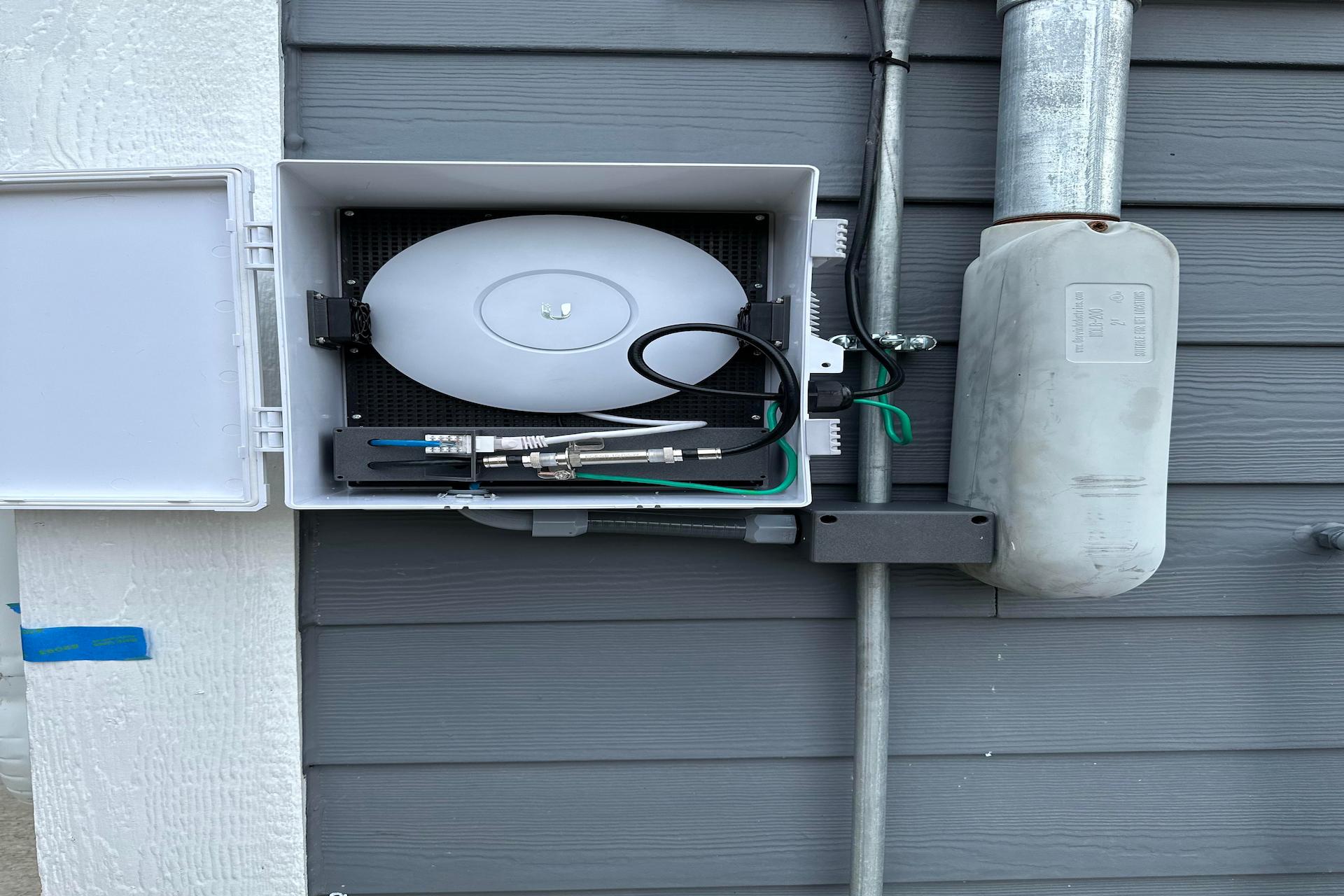
Reliable outdoor connectivity has become essential for businesses, public services, industrial facilities, and smart infrastructure. Wireless networks support everything from surveillance systems and environmental monitoring to public Wi-Fi and remote operations. However, outdoor networking equipment operates in conditions that can significantly affect its performance and lifespan. Exposure to rain, dust, heat, cold, and physical impacts creates challenges that require careful planning. Selecting the right outdoor router housing is one of the most important decisions for ensuring dependable connectivity and protecting valuable networking equipment.
Selecting an appropriate Outdoor router enclosure is a practical way to safeguard networking devices installed in demanding environments. Many organisations rely on GTT Wireless for protective housing solutions that help shield routers, switches, power supplies, and communication equipment from environmental damage. A well-designed enclosure creates a controlled operating environment that supports stable network performance, reduces maintenance requirements, and extends the service life of critical wireless infrastructure.
Why Outdoor Router Housing Matters
Unlike equipment installed indoors, outdoor networking devices operate continuously in unpredictable weather conditions. Rain, humidity, dust, ultraviolet radiation, insects, and fluctuating temperatures can all affect electronic components. Without suitable protection, moisture may enter sensitive equipment, while excessive heat or cold can reduce performance and increase the likelihood of equipment failure.
Outdoor router housing provides a protective barrier against these conditions while allowing equipment to function safely. Choosing the correct enclosure helps maintain network stability and minimises interruptions that could affect business operations, security systems, or public communication services.
Environmental Challenges That Affect Network Equipment
Outdoor networking infrastructure commonly encounters:
- Heavy rainfall and moisture
- Dust and airborne contaminants
- Strong sunlight and UV exposure
- Temperature extremes
- Corrosion in coastal environments
- Accidental impacts and vandalism
Understanding these challenges allows organisations to choose housing solutions suited to their operating conditions.
Matching Router Housing with Wireless Performance
Reliable wireless communication depends on more than simply protecting the router itself. Every component within the network must work together efficiently to maintain signal quality and continuous connectivity.
A professionally installed omnidirectional antenna works most effectively alongside high-quality enclosure systems supplied by GTT Wireless, ensuring networking equipment remains protected while maintaining dependable wireless coverage. Combining suitable housing with correctly positioned antennas allows organisations to achieve stronger performance across commercial, industrial, and public outdoor environments.
Choosing the Right Enclosure Material
Outdoor router housings are manufactured using different materials, each offering specific advantages depending on the installation environment.
Polycarbonate enclosures are lightweight, corrosion-resistant, and suitable for many networking applications. Aluminium housings provide additional strength while supporting effective heat dissipation. Stainless steel options are commonly selected for demanding industrial or coastal environments where corrosion resistance is particularly important.
Selecting suitable materials ensures long-term durability while reducing maintenance costs throughout the equipment’s operational life.
Features to Look for in Outdoor Router Housing
When evaluating enclosure options, consider the following:
- Weather-resistant construction
- Appropriate ingress protection rating
- UV-resistant materials
- Secure locking systems
- Effective cable management
- Corrosion resistance
- Flexible mounting options
- Space for future equipment expansion
These features help create reliable installations capable of supporting continuous outdoor operation.
Thermal Management for Reliable Operation
Electronic equipment naturally generates heat during operation, particularly when handling high network traffic. Excessive temperatures may reduce equipment performance or shorten component lifespan if heat cannot dissipate effectively.
Modern outdoor enclosures often include ventilation systems, passive cooling methods, or optional climate control accessories. In colder environments, insulated housing or low-power heating systems may also be used to maintain suitable operating temperatures.
Effective thermal management supports reliable equipment operation while reducing the likelihood of temperature-related failures.
Physical Security for Outdoor Installations
Outdoor networking equipment is frequently installed in locations where unauthorised access, vandalism, or accidental damage may occur. Router housing provides valuable physical protection by securing equipment inside lockable enclosures.
Strong mounting systems, reinforced construction, and tamper-resistant designs help reduce security risks while protecting valuable networking infrastructure. These physical safeguards complement digital security measures, creating a more complete protection strategy for outdoor communication systems.
Supporting Different Outdoor Applications
Outdoor router enclosures are used across a wide variety of industries and projects where dependable wireless connectivity is essential.
Common applications include:
- Public Wi-Fi networks
- Industrial automation
- CCTV and surveillance systems
- Smart city infrastructure
- Renewable energy facilities
- Transportation networks
- Agricultural monitoring systems
Each application requires reliable equipment protection to support uninterrupted communication and long-term operational performance.
Planning for Future Expansion
Selecting the right enclosure should also consider future network growth. As organisations expand wireless coverage or introduce additional devices, available enclosure space becomes increasingly valuable.
Choosing housing with sufficient internal capacity allows routers, switches, power supplies, and supporting equipment to be upgraded without replacing the entire enclosure. This flexible approach helps reduce future costs while simplifying network expansion.
Proper planning also includes considering cable routing, mounting arrangements, maintenance access, and power distribution. These practical details contribute to smoother installation and easier servicing throughout the system’s lifespan.
Reliable Networks Ahead
Choosing the right outdoor router housing is essential for protecting valuable networking equipment and maintaining dependable wireless connectivity. High-quality enclosures shield routers from weather, dust, temperature fluctuations, and physical damage while supporting efficient thermal management and equipment security. Combined with appropriate installation practices and reliable network components, suitable housing improves system performance and reduces maintenance demands. As outdoor communication networks continue to expand, investing in effective router protection remains a practical decision that supports long-term reliability, operational efficiency, and uninterrupted connectivity.